If you're a content creator, influencer, or digital entrepreneur, your tax situation probably looks nothing like a traditional employee's. The good news? You likely have access to far more deductions than you realize. The key is knowing what qualifies and keeping proper documentation.
The Golden Rule: Ordinary and Necessary
The IRS allows you to deduct any expense that is "ordinary and necessary" for your business. For content creators, this means anything you genuinely need to produce your content, grow your audience, and run your business. The expense has to have a clear business purpose - but that purpose can be broad.
Equipment and Technology
This is usually where the biggest deductions live for creators:
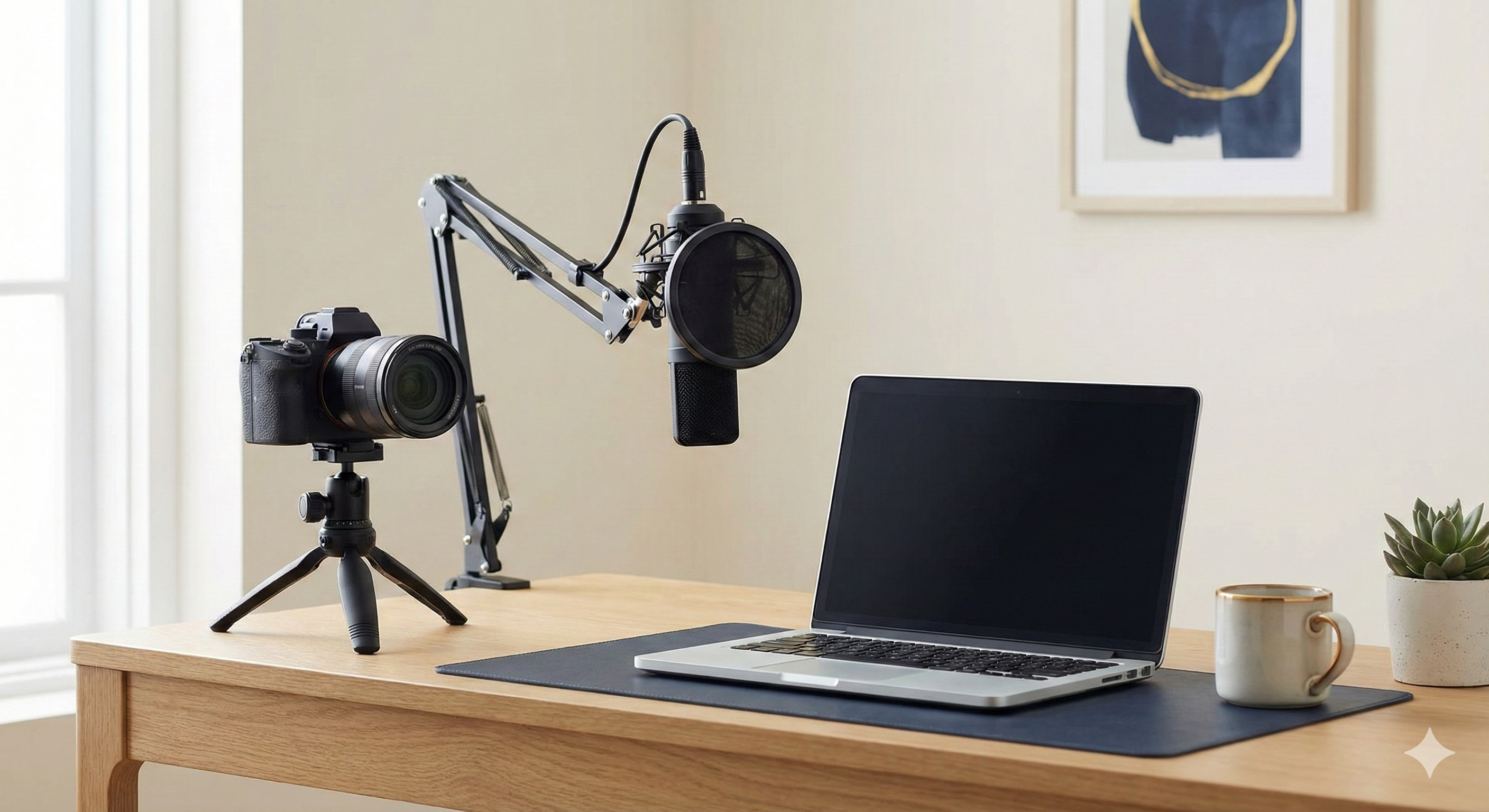
- Cameras and lenses - DSLRs, mirrorless cameras, action cameras, drones
- Audio equipment - Microphones, audio interfaces, headphones, mixers
- Lighting - Ring lights, softboxes, LED panels, light stands
- Computers and accessories - Laptops, monitors, hard drives, memory cards
- Smartphones and tablets - If used primarily for content (business percentage)
- Tripods, gimbals, and mounts
Equipment over $2,500 can be fully deducted in the year of purchase using Section 179 or bonus depreciation. You don't have to spread the deduction over multiple years unless you choose to.
Software and Subscriptions
- Editing software - Adobe Creative Cloud, Final Cut Pro, DaVinci Resolve
- Music and sound libraries - Epidemic Sound, Artlist, AudioJungle
- Scheduling and analytics tools - Later, Hootsuite, TubeBuddy, vidIQ
- Cloud storage - Google Drive, Dropbox, iCloud
- Website and hosting - Squarespace, WordPress, domain registrations
- Email marketing - Mailchimp, ConvertKit, Beehiiv
- Design tools - Canva Pro, Figma
Home Office Deduction
If you have a dedicated space in your home that you use regularly and exclusively for creating content, you can deduct a portion of your rent or mortgage, utilities, internet, and renter's/homeowner's insurance.

There are two methods: the simplified method ($5 per square foot, up to 300 sq ft = $1,500 max) or the actual expense method, which calculates the percentage of your home used for business and applies it to your total housing costs. The actual expense method usually results in a larger deduction if your studio takes up significant space.
Travel and Transportation
- Content-related travel - Flights, hotels, and meals for filming on location
- Brand trips and events - Travel to sponsored events or collaborations
- Industry conferences - VidCon, Creator Economy Expo, podcast conferences
- Local mileage - Driving to shoots, meetings, or the post office for merch shipments
Keep a simple log of business miles driven. Apps like MileIQ or Everlance make this automatic. For 2025, the IRS standard mileage rate is 70 cents per mile.

Props, Products, and Wardrobe
This is an area where creators often leave money on the table. Products you purchase specifically for content - food for recipe videos, tech for review channels, beauty products for tutorials - are deductible business expenses. The key is documentation: keep receipts and note which content the product appeared in.
Wardrobe is trickier. Everyday clothing generally isn't deductible, but costumes, uniforms, or items purchased exclusively for content that you wouldn't normally wear can qualify.
Professional Services
- Accountant or bookkeeper fees - Including TFMA's services (see our guide on when to hire a professional bookkeeper)
- Legal fees - Contract review, LLC formation, trademark registration
- Manager or agent commissions
- Freelance editors, designers, or VAs - Anyone you hire to support your content business
- Tax preparation fees
Marketing and Advertising
- Paid social media promotion - Boosted posts, Instagram ads, YouTube ads
- Business cards and printed materials
- Merch samples - Items you order for promotional purposes
- Giveaway costs - Products purchased for audience giveaways
- PR and promotion services
Platform Fees and Commissions
Fees charged by platforms like Patreon, Gumroad, Shopify, Etsy, or payment processors (Stripe, PayPal) are all deductible. If you sell merch or digital products and the platform takes a cut, that percentage is a business expense.
Internet and Phone
You can deduct the business-use percentage of your internet and phone bill. If you estimate that 70% of your internet usage is for content creation and business, you can deduct 70% of your monthly bill. Be honest and consistent with your estimate.
Education and Professional Development
- Online courses - Skillshare, MasterClass, Udemy courses related to your craft
- Books and resources - Business, marketing, or skill-development books
- Coaching or mentorship programs
- Conference and workshop fees
Insurance
If you're self-employed and pay for your own health insurance, you may be able to deduct 100% of your premiums. Business insurance (liability insurance, equipment insurance) is also fully deductible.
Keeping It All Organized
The biggest mistake creators make isn't missing deductions - it's not keeping receipts and records. Here's what we recommend:
- Use a separate bank account and credit card for business expenses
- Take photos of receipts or use an app like Dext or HubDoc
- Keep a simple spreadsheet or let your bookkeeper categorize everything monthly
- Note the business purpose on every receipt ("camera for YouTube reviews," "flight to brand collab shoot")
Need Help Maximizing Your Deductions?
Most creators we work with are surprised by how many deductions they've been missing. At TFMA, we specialize in working with content creators and nontraditional earners. We'll set up a system that tracks everything automatically so you never leave money on the table.